Redesign Your Outdoor Setting With Professional Landscaping Services
Improving outdoor spaces through professional landscaping services can significantly boost a property's appeal. Homeowners often miss the potential of their yards. A well-designed landscape not only improves visual appeal but also enhances home worth. Key elements like walkways and outdoor seating play an essential role. However, learning how to execute this improvement requires meticulous planning of different considerations. What should homeowners emphasize when starting on this journey?
Is Your Yard Hard to Make Engaging?
Are you uncertain about how to convert your yard into a welcoming space? Many people face challenges in creating an inviting outdoor environment. A thoughtfully planned yard functions as an continuation of the home, offering a serene retreat and a place for entertaining guests. However, overgrown areas, neglected grass, and inappropriate vegetation can diminish this vision.
Incorporating design elements such as pathways, seating areas, and diverse plant life can substantially enhance a property's attractiveness. Professional landscape companies can deliver knowledgeable guidance on organization and vegetation choices, making sure that all parts coordinate well. Additionally, they can assist in spotting design elements like water features or accent lights that can improve the atmosphere. By committing to these services, homeowners can build a environment that expresses their aesthetic while fostering leisure and satisfaction. Ultimately, the purpose is to construct a yard that seems unified, useful, and attractive to both inhabitants and visitors.
Maximizing Home Worth Using Landscaping
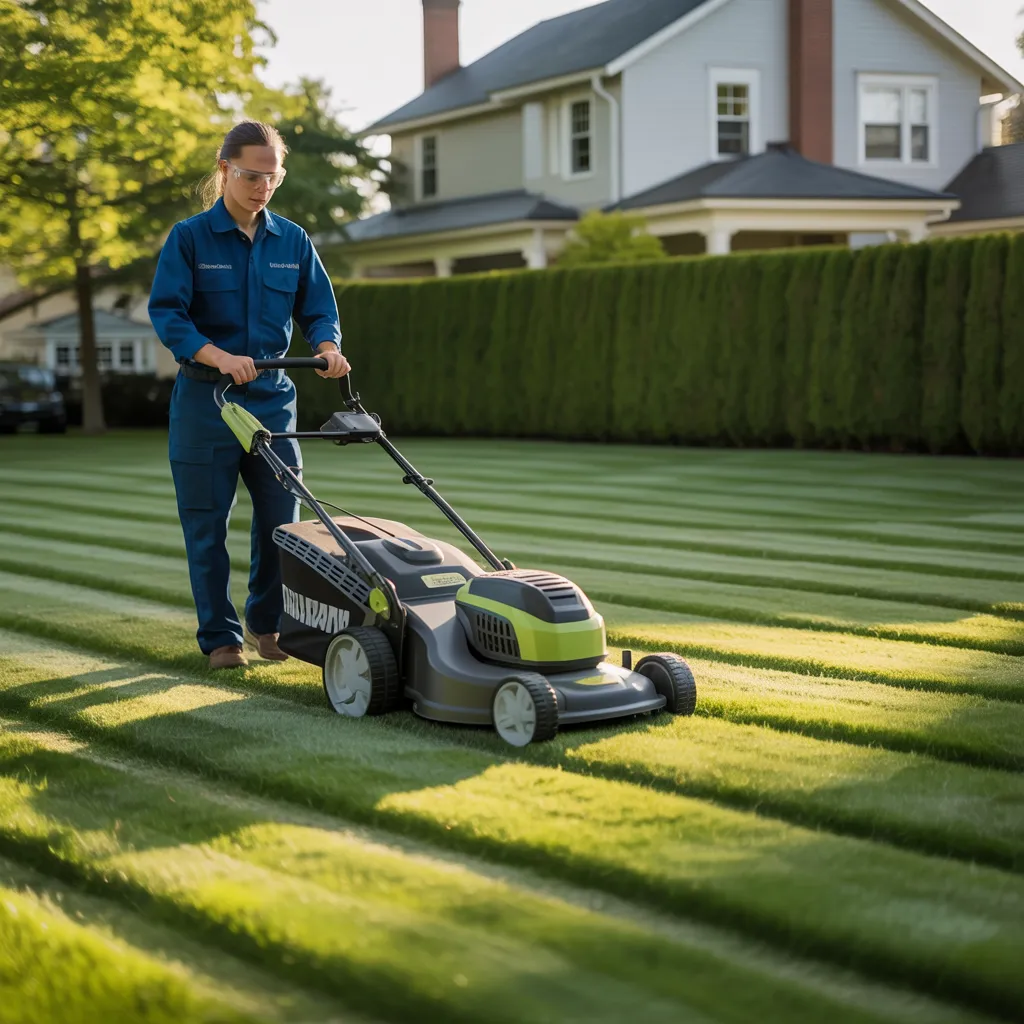
A well-maintained yard simultaneously boosts visual appeal but also greatly boosts property value. Property owners who invest in professional landscape maintenance can expect a major benefit from their investment. Attractive landscaping creates a welcoming environment, making properties more attractive to potential buyers. Features start here such as polished grass, vibrant flower beds, and well-placed trees can enhance the overall look and feel of a property.
Moreover, outdoor design enhances property aesthetics, which is crucial in real estate promotion. Properties with appealing outdoor spaces often move quicker and at increased values. Additionally, well-designed landscapes can boost energy efficiency by offering protection from sun and lowering cooling costs.
Allocating resources to garden design not only improves the exterior environment but also generates a sense of fulfillment in homeownership. Ultimately, a expertly designed yard acts as a precious investment, boosting both the satisfaction of the space and its property value.
Critical Traits of a High-Performing Landscape Project
A successful landscape design includes functional outdoor spaces that enhance usability and flow. Additionally, the selection of aesthetically pleasing plants plays an crucial role in creating visual appeal. Together, these elements add to a harmonious and inviting environment.
Functional Outdoor Spaces
When developing a effective landscape design, it is essential to evaluate the practicality of outdoor spaces. Quality landscaping should accommodate various activities, such as entertaining, gardening, and relaxation. Strategic placement of features like patios, walkways, and seating areas improves accessibility and promotes ease of movement. Adding elements such as outdoor kitchens or fire pits can expand the usability of these spaces, making them perfect for gatherings. Additionally, awareness of sunlight and shade patterns is important; this guarantees areas remain comfortable throughout the day. Sufficient drainage and irrigation systems are also vital for maintaining healthy plants and preventing damage. Ultimately, a well-designed functional outdoor space enhances the property's value and provides a balanced environment that meets the needs of its users.
Aesthetic Plant Options
Picking plants for a landscape design is critical, as their visual attractiveness can markedly influence the overall environment of the space. A carefully picked plant palette improves visual interest and creates harmony within the environment. Professionals often take into consideration factors such as color, consistency, and seasonal variations to achieve a balanced look. For instance, incorporating a mix of flowering plants and evergreens can provide year-round beauty. Additionally, the scale and placement of plants must fit with architectural elements and existing features to avoid overcrowding. Ultimately, aesthetic plant selection not only beautifies but also complements the functionality of outdoor areas. By prioritizing these aspects, landscape designers can transform any outdoor space into an enchanting retreat.
Developing Functional Outdoor Living Environments
Developing functional outdoor living spaces requires careful consideration of how to maximize available space while enhancing aesthetic appeal. By integrating natural elements, these designs can create harmonious environments that invite tranquility and socialization. Effective landscaping transforms outdoor areas into valuable extensions of the home, catering to both functionality and beauty.
Get the Most of Open Space
Maximizing usable space in outdoor living areas can greatly enhance both functionality and aesthetic appeal. Professional landscaping services offer creative solutions to convert compact yards or gardens into versatile spaces. By incorporating multi-functional furniture, such as benches with storage or foldable tables, homeowners can make the most of their outdoor environments. Effective zoning through the thoughtful arrangement of plants, pathways, and seating areas allows for separate yet cohesive spaces, catering to various activities. Vertical gardening techniques, such as wall planters or trellises, further utilize limited ground space while adding greenery. Additionally, incorporating built-in features like fire pits or outdoor kitchens can create inviting spaces that encourage social interaction. Thoughtful design guarantees every square foot serves a purpose, making the most of the outdoor area.
Strengthen Aesthetic Attractiveness
Converting outdoor living spaces into aesthetically pleasing settings requires a sharp sense for design and careful consideration. Expert landscape design companies specialize in creating harmonious layouts that blend functionality with beauty. By integrating elements such as walkways, outdoor seating, and lighting, these offerings improve the overall appeal of outdoor spaces. Careful choice of colors and substances plays an vital role; for instance, using coordinated vegetation and attractive hardscape features can enhance the aesthetic enjoyment. Additionally, adding focal points, such as ornamental containers or art installations, captures the attention and encourages exploration. Ultimately, a carefully planned outdoor space not just fulfills practical purposes but also offers a peaceful sanctuary, improving the homeowner's satisfaction and bond to their environment.
Incorporate Organic Components
Planning a harmonious landscape design involves not only aesthetic impact but also the blending of organic elements that strengthen operational effectiveness. Landscape specialists can proficiently weave in design elements such as local vegetation, water installations, and stone walkways. These design elements not only polish the outdoor space but also achieve practical objectives, such as reducing soil degradation and creating natural habitats for local fauna.
Strategically incorporating trees and shrubs can provide shade, lowering energy costs and creating comfortable gathering areas. Furthermore, including features like rain gardens can manage stormwater effectively, advancing sustainability. By combining these natural components, landscapers can design outdoor living spaces that are both visually appealing and practical, fostering a deeper connection between people and their environment while improving the overall quality of outdoor life.
Implement Responsible Property Ideas
As environmental concerns become increasingly urgent, many residential and commercial property owners are turning to green landscape solutions to elevate their outdoor spaces. These strategies focus on environmental balance, reduce resource consumption, and promote ecological diversity. One effective approach is incorporating native plants, which demand less water and maintenance while supporting regional animal populations. In addition, applying natural soil enrichment and organic pest solutions can minimize chemical runoff, promoting a healthier environment.
Rain gardens and permeable paving are also vital techniques, as they manage stormwater runoff and lessen erosion. Adopting xeriscaping can substantially lower water usage by creating landscapes that flourish in local climate conditions. Moreover, composting organic waste enhances soil quality and decreases landfill contributions. By implementing these eco-friendly methods, property owners not only create beautiful landscapes but also support environmental preservation and resilience. Through thoughtful planning and execution, sustainable landscaping becomes an essential tool for fostering a greener future.
How to Identify the Best Landscaping Service for Your Requirements?
When browsing for a landscaping company, what key qualities should homeowners concentrate on? First, they should seek a company with a impressive portfolio highlighting a range of projects, demonstrating innovation and adaptability. Testimonials and feedback from past customers shed light into the company's reliability and quality of work. Additionally, validating certifications and credentials ensures that the service adheres to professional guidelines and local codes.
Homeowners should also review the company's knowledge with sustainable practices, as green landscaping is progressively important. Effective communication is critical; a quality landscaper will grasp the homeowner's vision and give expert counsel. Finally, requesting itemized estimates that enumerate costs and services helps avoid unexpected expenses. By emphasizing these qualities, homeowners can pick a landscaping service that transforms their outdoor spaces professionally and professionally.
Inquiries Frequently Posed
How Much Time Will a Common Landscaping Project Require to Complete?
A common landscaping project can require anywhere from a few days to several weeks, contingent upon the difficulty, size of the area, and specific requirements. Timeframes differ markedly based on the scope of work involved.
What defines the average cost of professional landscaping offerings?
The average price of professional landscaping services generally falls from $1,500 to $5,000, depending on project complexity, materials, and location. Personalized layouts or large-scale projects can significantly raise overall costs, reflecting individual project requirements.
Does Landscaping Boost Your Home's Energy Efficiency?
Yes, landscape architecture can maximize a home's energy efficiency. Appropriately positioned trees and shrubs generate shade coverage, suppress heat absorption, and fortify insulation, ultimately trimming energy costs and furthering a more eco-responsible living environment.
Is a Approval Required for Outdoor Alterations?
Across many areas, a permit is needed for significant landscaping alterations, such as constructing structures or modifying drainage. It's prudent for homeowners to look into local regulations and consult with authorities to guarantee compliance.
What Seasonal Care Is Obligatory After Landscaping Is Finished?
After landscaping, seasonal maintenance entails regular mowing, pruning, mulching, and watering. Furthermore, fertilization and pest control may be necessary, along with seasonal clean-up to ensure the landscape remains healthy and visually appealing throughout the year.